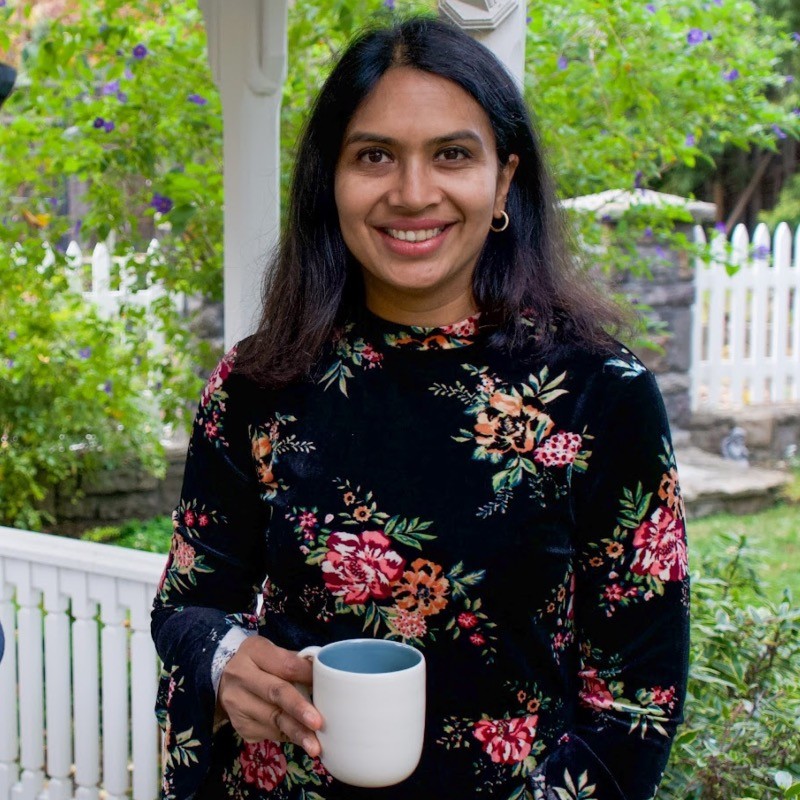
Engineering leader. Mother of two. Compulsive gardener. I spend my days building teams that ship hard things — and figuring out the human stuff that makes that possible. I solve problems in code, in org design, in soil, and occasionally in feelings.
I’m not a writer. I just have thoughts that won’t leave me alone, so I put them somewhere. That somewhere is here →
About-ish
Twelve years, one company, a few plot twists.
I started at Workday in 2014 and grew into the management roles I have now. The arc reads cleaner than it lived.
What I’m proudest of.
Zero regressions on one of Workday’s biggest releases. Org Chart and Enterprise Frameworks shipped with a real quality lift. An ML team built from nothing that shipped in year one. The first agentic RAG system at Workday — started before anyone had a playbook for it, because no org chart approved it but everyone needed it. The Student pillar’s first production LLM agent, shipped in a compliance-heavy domain where regressions are not an option. A month in Dublin. A summit that turned scattered agendas across the org into one shared direction. The through-line on all of it: get the conditions right and people surprise you.
What I’m building.
Pomvox — free, open-source on-device voice dictation for macOS. Co-building a fully local pipeline: speech-to-text plus a local LLM for cleanup, running on the Apple Neural Engine. Audio never leaves the machine. Notarized Swift release.
The arc.
Automation engineer first — writing test infrastructure before I fully understood what I was testing. Then into software development, owning features and technical design. Then management: associate manager, Enterprise Frameworks and Org Chart, then Workday Student — where I built the ML team from scratch. Each step made sense only in hindsight.
When I’m not at my laptop.
My head is always in the garden — what to sow, what to harvest, how to help this plant, how to grow this person. I grew up deciding the menu based on what the garden gave. I know no other way. The smell of soil is still my reset button.
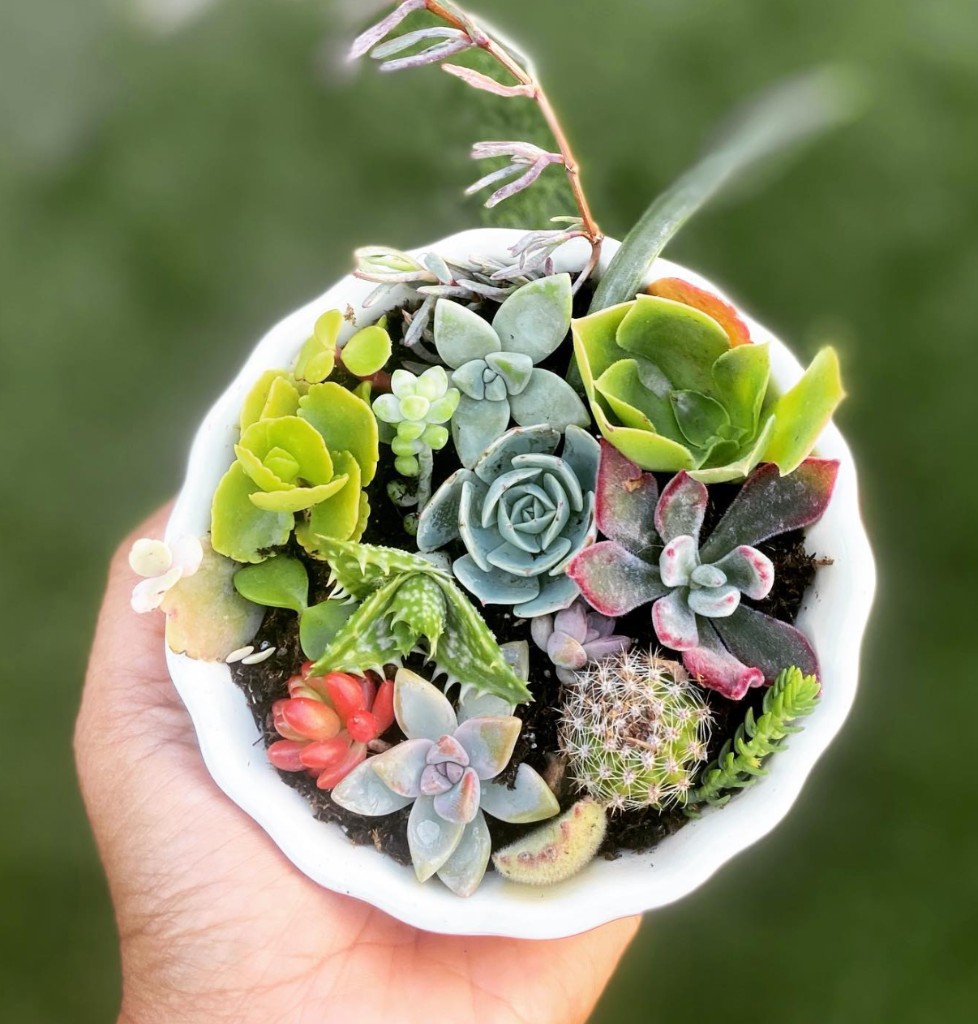
Current obsession: fitting as many succulents as possible into one bowl.
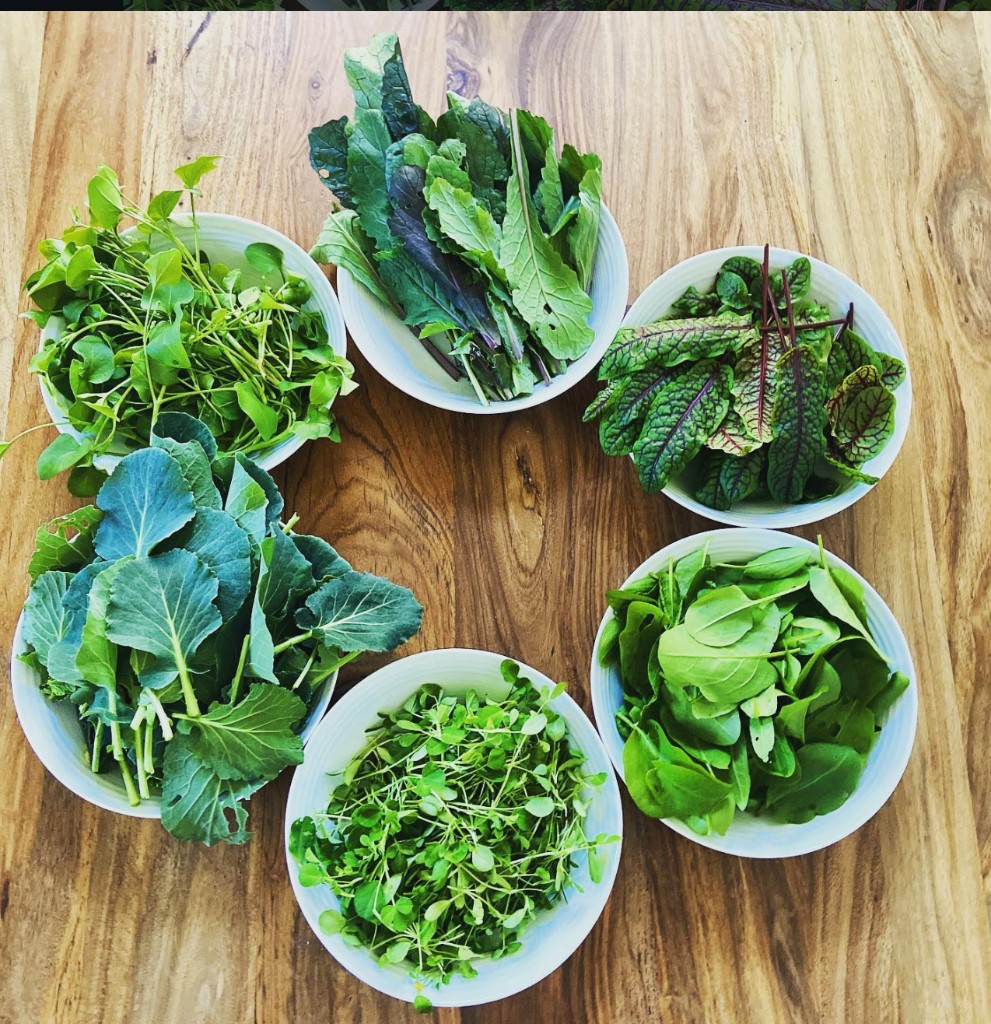
A full harvest morning. Six bowls, zero trips to the grocery store. This is what shipping feels like.
Active in Women at Workday. Mentor across teams. I judge hackathons when I can — partly because I enjoy watching people build under pressure, mostly because it’s the best way to see how someone thinks when the stakes are low and the energy is high. Spoiler: the ones who ask the most questions usually win.
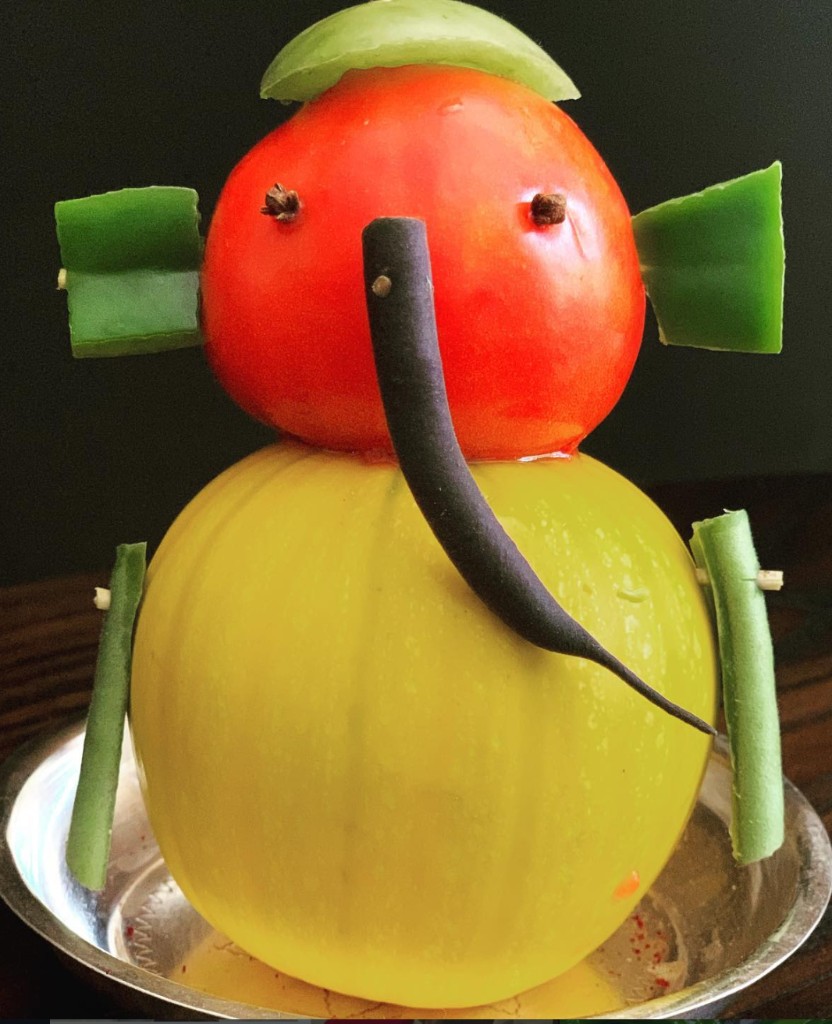
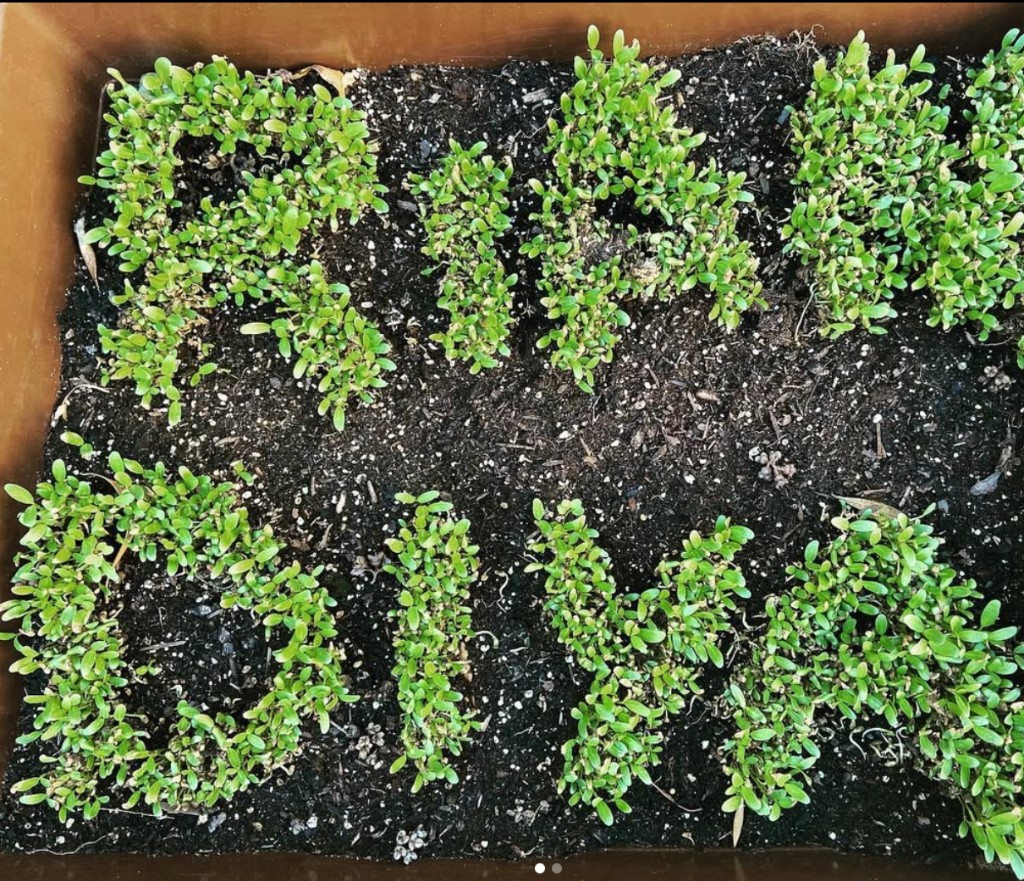
Mother of two — the seedlings above are named after them — which has done more to refine my management style than any leadership program I’ve attended. A toddler will give you feedback no 360 survey ever will.
The gardening lens and the management lens are the same lens, honestly. You read the environment, you work with what’s actually there, and you play the long game.
Experience
Where the time went.
2026 — Now
Sr. Software Development Engineering Manager
Workday
Own AI/ML for Student end to end — and we just shipped the pillar’s first production LLM agent. Still figuring out what the "Sr." means. Mostly it means the problems got bigger.
2024 — 2026
Software Development Engineering Manager — Student ML & Financial Aid
Workday
Built the ML team from scratch while also owning the systems that determine whether students get their financial aid on time. The stakes keep you very, very honest.
2022 — 2024
Software Development Engineering Manager — Enterprise Frameworks
Workday
Led the Org Chart team. Turns out building the product that visualises everyone else's reporting structure makes you think very carefully about your own.
2021 — 2022
Associate Software Development Engineering Manager
Workday
First management role. Learned very quickly that managing engineers is nothing like being one. Also learned that's the fun part.
2018 — 2021
Software Engineer III — Web Applications
Workday
Grew into full ownership — technical design, scrum mastering, and a zero-regression obsession that still defines how I think about quality.
2016 — 2018
Software Engineer II — Web Applications
Workday
Wanted more challenges. Got more challenges. Moved deeper into feature development and never looked back.
2014 — 2016
Software Automation Engineer
Workday
Where the Workday journey started. Wrote tests before I fully understood what I was testing — turns out that's a great way to learn a codebase fast.
2011 — 2013
Software Engineer — Mobile & Services
Peel
Shipped Android apps at a TV remote control startup. Yes, that was a real thing. It was genuinely great.
Earlier
Flite, VMware (intern), Capgemini
San Francisco · Palo Alto · Hyderabad
QA, internships, early chaos. Everyone starts somewhere.
The greatest hits
Six things worth talking about.
1stagent shipped in the pillar
First production LLM agent for Student
Workday · 2026
Shipped the Student pillar’s first production LLM agent in a compliance-heavy domain — the same release line that decides whether students get financial aid on time. The point wasn’t the demo; it was proving the patterns for deploying agentic AI safely: evals, guardrails, and release gates that let the org ship agents without treating every launch like a moonshot.
3ML features in year one
Building the Student ML team
Workday · 2024 — 2026
Started from zero: no team, no infra, no priors. Hired and coached the core group, set the operating system (experimentation framework, data validation, review gates), and partnered across Product/Eng/Legal on where ML belongs inside a regulated product. The win wasn’t the models; it was trust, velocity, and a repeatable way to ship safely.
2days, one shared vocabulary
ML Summit
Workday · 2024
Orchestrated an internal ML summit end-to-end — program, speakers, narrative, exec alignment. It wasn’t a conference; it was an operating mechanism: get engineers across the org aligned on a shared vocabulary, risk posture, and the product and engineering decisions that actually matter before the chaos of scaling ML inside the product.
20%+lift in product quality
Org Chart & Enterprise Frameworks
Workday · 2022 — 2024
Led a platform team building frameworks consumed across multiple Workday products. Org Chart was the visible surface; the leadership work was the system underneath: shared standards, adoption plans, and data-driven OKRs that raised quality without performance theater. Built alignment first, then shipped durable leverage.
1moembedded with a new geo team
Dublin enablement
Workday · 2017
Embedded in Dublin to unblock a newly formed geo team: built the onboarding curriculum, ran live architecture sessions, and mentored engineers 1:1. The outcome wasn’t a training deck; it was a collaboration pattern that reduced dependency thrash and helped the new team ship independently.
0regressions on a flagship release
Road to Zero Regressions
Workday · 2015 — 2018
Drove a platform-wide shift: make quality a property of architecture, not an output of QA. Built reusable automation, regression heatmaps, and pre-release gates, but the durable change was cultural: design reviews that assumed failure modes up front and teams that owned quality as a first-class product requirement.
How I run a team
Engineering is an environment-design problem.
I think about teams the way I think about gardens. You can’t pull a plant upward to make it grow faster. You can only fix the soil, manage the light, clear the weeds — and then step back. The plant does the rest. The best teams don’t need you every day. They need the right conditions.
“Fix the soil, not the plant.”
The teams I’ve built report high trust, high clarity, low escalation, and the kind of retention you only get when people actually want to be there. None of that is a vibe. It’s the outcome of deliberate decisions about how meetings run, how decisions get documented, and how we treat each other when something breaks. Especially when something breaks.
I learned this the hard way: the first time I tried to fix a struggling team by pushing harder on individuals, it didn’t work. The second time, I fixed the meeting structure, the on-call rotation, and the way we wrote RFCs. It worked immediately. The team hadn’t changed — the noise had.
My north star: heart, hustle, and humor. The heart keeps the work human. The hustle gets things done. The humor keeps everyone sane when the sprint goes sideways. And the sprint always goes sideways.
a struggling engineer usually has a structural problem, not a character flaw — I’ve never seen it the other way around
if you have to say it three times, write it down
pressure without direction is just noise
automate the boring stuff — the boring stuff is load-bearing
if the whole team is staying late, something is wrong with the planning, not the people
Out of my system
Things I had to write down before they ate me.
Opinions, arguments, and the occasional structured rant. Mostly about engineering teams, AI, and quality — but I reserve the right to go off-topic.
I’m not actively job-hunting, but I read every email and reply to most. If you’re a student or early-career engineer, my reply rate is even higher.
Happy to talk engineering leadership, AI in enterprise, growing things in the Bay Area (plants or teams), or parenting with zero answers and full honesty.